
WORLD NEWS
Russia Deploys Kamikaze FPV Drones in Mali Following Major Battlefield Losses

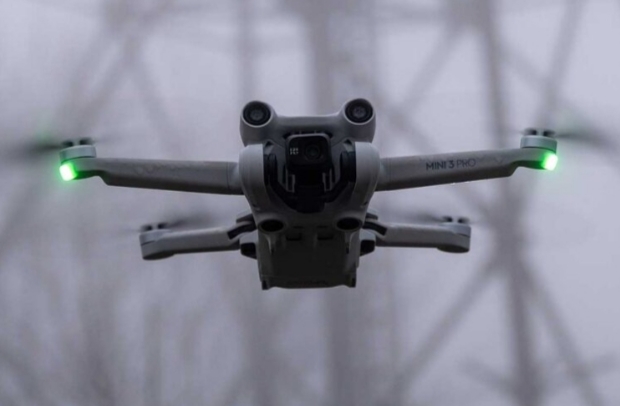
Russian-backed forces fighting alongside Mali’s military junta have reportedly begun deploying kamikaze-style first-person-view (FPV) drones against rebel positions in northern Mali, marking a significant shift in their battlefield strategy.
The move comes after a string of military setbacks suffered by the Russian-controlled Africa Corps and Malian government forces in clashes with the Tuareg-led Azawad Liberation Front (FLA) and the jihadist group Jama’at Nusrat al-Islam wal-Muslimin (JNIM).
One of the most significant defeats occurred in April when government forces lost control of Kidal, a strategic northern city they had held for more than two years. Rebel drone attacks on military positions in Anéfis and Aguelhok reportedly forced both Malian troops and Russian fighters to abandon their bases before the city fell.
FPV drones have emerged as one of the most effective low-cost weapons in modern conflicts. Operated through wireless headsets that provide pilots with a live view from the drone’s camera, the systems allow operators to identify and strike targets with remarkable speed and precision.
When fitted with explosive payloads, these commercially available drones become highly destructive weapons capable of targeting troops, vehicles, and military equipment at a fraction of the cost of conventional weapons.
Ironically, the same technology has been used extensively by the FLA against Russian and Malian forces. Rebel fighters have repeatedly deployed FPV drones to harass retreating troops, and in 2025 reportedly used one to bring down a government helicopter.
The rebels have also adopted fiber-optic-controlled FPV drones, a technology first seen on the battlefields of Ukraine. Unlike conventional drones that rely on radio signals, fiber-optic drones are resistant to electronic jamming, making them even more difficult to counter.
Beyond their battlefield effectiveness, FPV drones have become powerful propaganda tools. Videos recorded during attacks are frequently shared online by insurgent groups to demonstrate military successes, undermine government forces, and attract new recruits.
Russia has previously relied on larger unmanned systems, including the Garpiya-A1 drone, to strike insurgent positions. Analysts believe the adoption of FPV drones reflects growing pressure on the Africa Corps to improve its battlefield performance as insecurity continues to worsen across Mali.
Russian military involvement in Mali began in 2021 through the Wagner Group before transitioning to the state-controlled Africa Corps in 2025. Since then, the force has faced widespread criticism over allegations of human rights abuses, including the 2023 Moura massacre, during which hundreds of civilians were reportedly killed during operations targeting suspected insurgents.
Security analysts argue that such operations have failed to weaken insurgent movements and may instead have strengthened them by driving more recruits into their ranks.
Despite reports that Mali’s military government pays the Africa Corps an estimated $10 million each month, the country’s security crisis continues to deteriorate, with insurgent groups expanding their influence across large parts of the north.
Experts also suggest Russia’s difficulties in Mali could prompt other African governments to reassess Moscow as a long-term security partner, particularly as armed groups continue to gain ground despite years of military operations.