
WORLD NEWS
DR Congo’s Ebola Response Offers Critical Lessons for Nigeria and the Rest of Africa

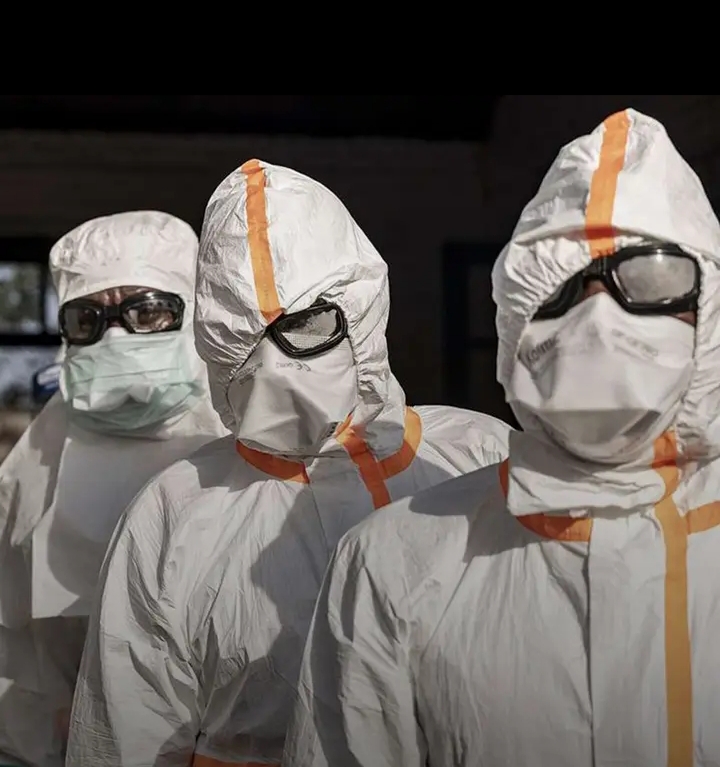
As the Democratic Republic of Congo (DRC) confronts another Ebola outbreak, health experts and humanitarian organizations are urging authorities to prioritize community trust, food support and stronger healthcare systems over heavy-handed security measures.
According to Human Rights Watch (HRW), experience from previous Ebola outbreaks has shown that social support interventions—including food assistance and home-based care—are often more effective in encouraging people to comply with quarantine measures than coercive enforcement.
The warning comes amid a worsening humanitarian crisis in eastern DRC. In November 2025, emergency levels of acute malnutrition were reported in parts of Ituri and North Kivu provinces, with nearly 25 million people affected by food insecurity.
HRW stressed that families are more likely to observe voluntary isolation when their basic needs are met.
“People are more likely to comply with voluntary quarantine if they have adequate food,” the organization said. “When treatment centres cannot provide basic sustenance, family members risk exposure by bringing food themselves.”
The rights group also warned against excessive reliance on security forces during disease outbreaks. HRW’s Crisis and Conflict Director, Ida Sawyer, recalled that the country’s largest Ebola epidemic between 2018 and 2020 was likely prolonged because military involvement undermined public confidence and discouraged cooperation with health workers.
She urged the Congolese government and international partners to rebuild trust by engaging local communities and limiting the role of security personnel in public health operations.
“The government and its partners need to overcome years of conflict, abuse and neglect that have weakened healthcare systems and eroded public trust,” Sawyer said.
What Nigeria Can Learn
Although Nigeria is not currently facing a major Ebola outbreak, the DRC’s experience offers important lessons for Africa’s most populous nation.
Nigeria demonstrated global leadership during its 2014 Ebola outbreak by rapidly identifying cases, tracing contacts and isolating infected individuals, successfully preventing widespread transmission. The country’s swift response earned international recognition as one of the most effective Ebola containment efforts in modern public health history.
However, experts caution that Nigeria remains vulnerable to future outbreaks due to its large population, busy international borders and frequent movement of people across West Africa.
l
Public health specialists say preparedness should extend beyond surveillance and emergency response to include investments in healthcare infrastructure, community engagement and social protection for vulnerable households.
They also emphasize that misinformation and distrust can spread as quickly as infectious diseases. Transparent communication, timely public education and collaboration with community and religious leaders are essential to ensuring that citizens cooperate with health authorities during emergencies.
As outbreaks continue to emerge across Africa, the DRC’s experience reinforces a vital lesson: successful disease control depends not only on medical interventions but also on public trust, food security and resilient healthcare systems.
For Nigeria, maintaining strong surveillance, improving emergency preparedness and investing in people-centred health responses will be crucial to preventing future Ebola outbreaks from becoming national crises.