
POLITICS
Osun 2026: SSG’s Arrest Deepens Political Tension as Police, State Government Clash Over Recovered PVCs, Registers

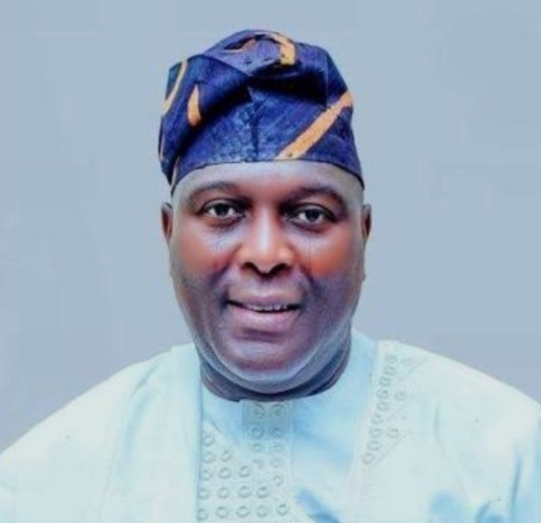
The political atmosphere in Osun State has taken a dramatic turn following the arrest of the Secretary to the State Government (SSG), Teslim Igbalaye, by the police over allegations bordering on possible electoral offences.
The development has immediately triggered a fresh political debate in the state, coming at a particularly sensitive period ahead of the governorship election.
According to the police, the operation at the SSG’s residence led to the recovery of cash, voter registers, Permanent Voter Cards (PVCs) and other materials which investigators believe may be relevant to alleged electoral infractions.
The police have said the items are being examined as part of an investigation into circumstances surrounding their possession and possible use.
But the Osun State Government has rejected the police operation, describing it as unlawful and questioning the circumstances surrounding the search and arrest of the senior government official.
The conflicting positions have consequently created two sharply different narratives.
On one side is the police, which maintains that the operation was connected to an investigation and that the recovered materials require scrutiny. On the other is the state government, which regards the action as improper and potentially politically motivated.
Electoral Season and Political Sensitivities
The timing of the incident has added another layer of significance.
With political parties and their supporters already positioning themselves ahead of the governorship election, any development involving voter registers, PVCs or other electoral materials is bound to attract considerable public attention.
Electoral materials are particularly sensitive because of their potential implications for the credibility and integrity of the electoral process.
However, the mere recovery of such items does not, by itself, establish criminal culpability. The police investigation, due process and, where necessary, judicial proceedings will ultimately determine whether any offence was committed.
This distinction is important in an atmosphere where political accusations can quickly become campaign weapons.
A Clash of Narratives
The controversy is now developing beyond the arrest itself.
For the police, the central question appears to be why such materials were allegedly found at the residence of a high-ranking government official and whether their possession breached electoral laws.
For the state government, the questions may include the legality of the search, the circumstances of the arrest and whether law-enforcement powers are being deployed appropriately in the heat of political competition.
Both narratives are likely to receive intense political attention as the election approaches.
What Happens Next?
The next stage of the investigation will therefore be crucial.
The police will be expected to provide clarity on the circumstances surrounding the recovered materials and, if appropriate, establish the specific electoral offences allegedly involved.
The state government, meanwhile, will likely continue to challenge the legality of the operation and defend the SSG.
For the people of Osun State, the bigger issue is the integrity of the electoral process.
Any genuine investigation into electoral malpractice should be conducted transparently and according to the law, while political actors must equally avoid turning unproven allegations into established facts.
The arrest of Teslim Igbalaye has undoubtedly opened another politically charged chapter in Osun State.
Whether it ultimately becomes a legitimate law-enforcement investigation or another flashpoint in the state’s increasingly competitive political landscape will depend largely on what the investigation establishes—and whether due process is allowed to run its course.