Tech
From Nigeria to Africa: Tinubu Hails $3.1 Billion AfCFTA Customs Modernisation Deal Won by Nigerian Firm

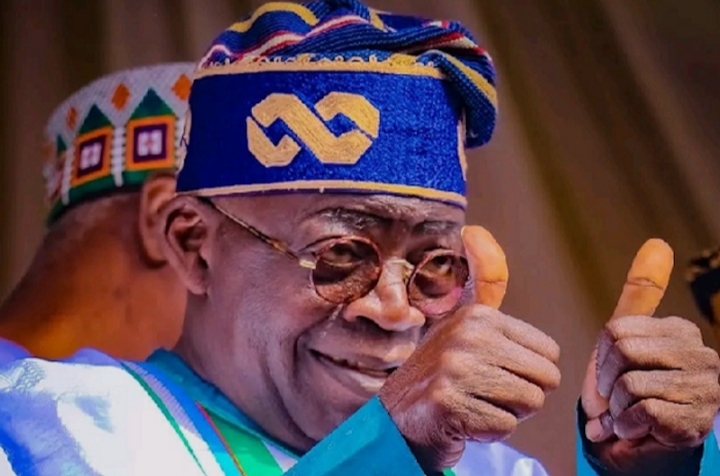
In a major win for Nigeria’s tech and trade credentials, President Bola Ahmed Tinubu has welcomed the selection of a Nigerian-owned company to lead one of Africa’s most ambitious trade integration projects.
The African Continental Free Trade Area (AfCFTA) Secretariat has signed a 20-year, $3.1 billion Memorandum of Understanding (MoU) with Bergmans Security Consultant and Supplies Limited for the AfCFTA Customs Modernisation Project (ACMP). The agreement, signed in Abuja/Lagos on the sidelines of the Digital Trade Forum 2026, will be executed through Bergmans’ subsidiary, AfriTrade CMP Limited.
In a statement by his Special Adviser on Information and Strategy, Bayo Onanuga, President Tinubu said the development is a powerful validation of Nigeria’s capacity to build homegrown solutions for the continent.
What Is The Project About?
This is not just another contract. The ACMP is the digital backbone AfCFTA needs to actually work.
According to the agreement, AfriTrade CMP will fund and deploy both digital and physical infrastructure to:
• Digitize customs processes and standardize cross-border procedures • Provide real-time cargo tracking and border management • Enable seamless trade-data exchange across participating African countries
AfCFTA Secretary-General Wamkele Mene said the goal is to create “one digital customs system for Africa” — a continental, modern, interoperable customs system that will ensure all economic operators benefit from an expanded market.
Why Nigeria? The B’Odogwu Effect
Why did AfCFTA pick a Nigerian firm over established non-African giants who have offered similar services?
The answer is B’Odogwu.
Mene, who visited the Nigeria Customs Service headquarters in Abuja to inspect the system, described B’Odogwu — Nigeria’s indigenous Unified Customs Management System — as a model for Africa. He noted that while similar services had been offered by non-African companies, AfCFTA deliberately chose an African solution, underscoring the importance of African innovation.
B’Odogwu, first piloted in October 2024, has become central to Nigeria’s customs modernisation, alongside cargo tracking, surveillance, risk management and non-intrusive inspection. The Nigeria Customs Service has credited it with helping lift customs revenue by over 90%.
The programme is now being integrated with the National Single Window, launched in March 2026 to provide a single digital gateway for all cross-border trade processes.
For context, members of the Senate Committee on Customs, led by Senator Jibrin Isah, who joined the inspection visit, said they had become ambassadors of the system after seeing its operations firsthand.
The Bigger Picture: What Tinubu Said
President Tinubu framed the deal as proof of his administration’s Nigeria First policy in action.
He said what has been built and tested in Nigeria is now providing a model for the continent, stressing that African integration should involve Africans building solutions for African opportunities.
“The promise of the African Continental Free Trade Area will be realised when goods can move across African borders faster, at lower cost and with fewer barriers.”
He reaffirmed Nigeria’s readiness to contribute its experience, innovation and enterprise towards building an efficient and integrated African single market, while commending Bergmans, AfriTrade CMP Limited, Trade Modernisation Project Limited, the Nigeria Customs Service, Comptroller-General Bashir Adewale Adeniyi, and the Nigerian professionals behind the system.
The Customs CG, Adewale Adeniyi, on his part, stressed that the lack of harmonised technology among African customs administrations remains a major impediment to AfCFTA implementation — a gap this 20-year PPP is designed to close.
Analysis: Why This Matters
This deal is bigger than customs:
1. Economic Sovereignty: For decades, Africa’s critical trade infrastructure was built and managed by foreign firms. A $3.1b concession to an African company is a strategic shift.
2. Revenue Diplomacy: Nigeria is no longer just exporting crude; it is exporting a tested governance technology that has already proven to boost revenue.
3. Jobs and Ecosystem: A 20-year project means two decades of high-skill jobs for Nigerian software engineers, data analysts, and logistics experts across the continent.
In short, Nigeria didn’t just win a contract — it set a template.
